
- Individuals & Families
- Businesses
- Partners & Advisers
- Get a Quote

Masterpiece® is Chubb’s prestige home and contents insurance offering for people with significant assets to insure who appreciate a premium level of cover and service that is customisable to their needs.

Chubb's cover options for your leisure travel.

Chubb leverages superior underwriting expertise and world renowned claims, accounts services, and financial strength to offer solutions for small and medium businesses.
Backed by our product breadth, financial strength and global network, we offer customised cover for your varied needs so that you can focus on growing your business.

Here to support you and the important work that you do.

Whether you’re a distributor or broker, you can be assured of our corporate capabilities when you partner with Chubb.
Chubb Travel Insurance establishes relationships with partners to provide personal travel insurance cover for their clients.

If you’d like to get protection from the comfort of your own kitchen, Chubb Life makes it easy. Get an instant quote from our simple online tool. You’ll be surprised about how little time it may take.

Chubb Leisure Travel Insurance can help you and your family enjoy your time overseas, knowing that should an incident happen you are Chubb-insured and there is assistance at hand.
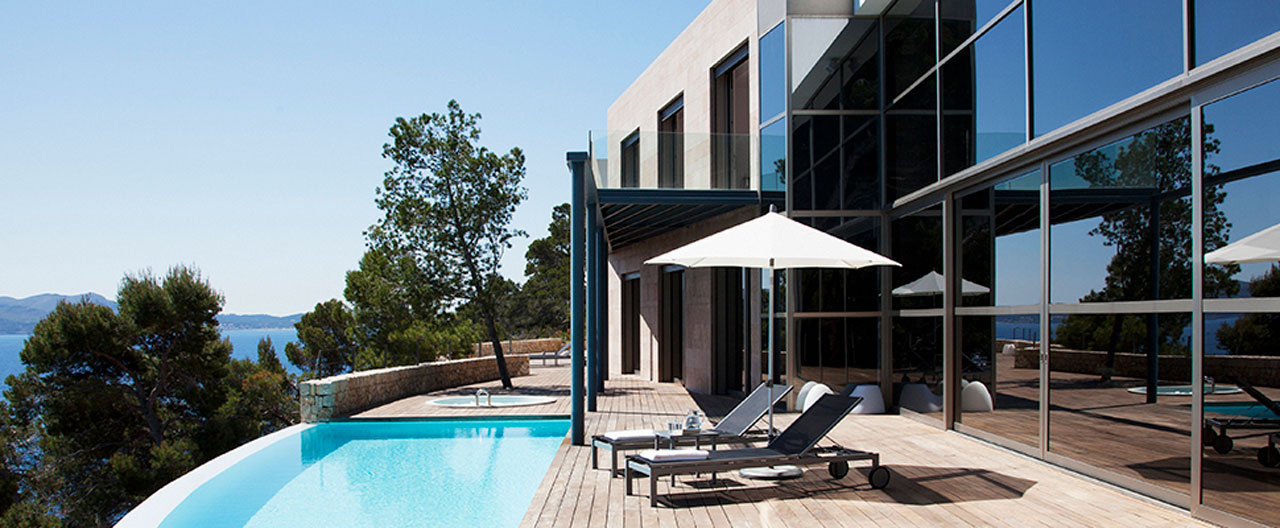
5 tips to a safe hotel stay
Most business trips require you to stay alone in a hotel room. So what are some things that you should look out for to ensure a safe stay?
Here are five of them:
1. Room floor request
At your hotel, request for a room above the second floor but below the seventh. This way, entry through the window is rendered difficult, but escape in the event of a fire is possible with emergency equipment. A fire engine ladder reaches up to the seventh floor in most countries. If you are obliged to be on the first floor, ensure the windows are locked at all times. And if you have a balcony, check that the lock for the balcony door is secure.
2. Know the fire evacuation plan
Check the fire evacuation plan for your room, and know where the exits are so that you can plan your escape route. As you may be forced to evacuate in total darkness or heavy smoke, pack a torch light for use in a fire or a power failure. If you are required to evacuate your room, carry your room key and leave your luggage behind in the room. In the event of a blocked escape route, you can return to your room and wait for help.
3. Check the locks
Insist that all the locks on your door work properly. If they do not, request for a room change immediately. Carry a portable travel lock and practise removing it quickly.
4. Never open the door to someone unknown
Never open your room door to someone you do not know or have not summoned. If someone claims to be a hotel staff, call the front desk first to verify his or her identity before opening the door.
5. A fully charged phone with local network access
Ensure that you always have a fully charged mobile phone with access to the local telephone network and data.
Insights and expertise



This content is brought to you by Chubb Insurance New Zealand Limited (“Chubb”) as a convenience to readers and is not intended to constitute advice (professional, financial or otherwise) or recommendations upon which a reader may rely. Any references to insurance cover are general in nature only and may not suit your particular circumstances. Chubb does not take into account your personal objectives, financial situation or needs and any insurance cover referred to is subject to the terms, conditions and exclusions set out in the relevant policy wording. Please obtain and read carefully the relevant insurance policy before deciding to acquire any insurance product. A policy wording can be obtained at www.chubb.com/nz-en through your broker or by contacting any of the Chubb offices. Chubb makes no warranty or guarantee about the accuracy, completeness, or adequacy of the content. Readers relying on any content do so at their own risk. It is the responsibility of the reader to evaluate the quality and accuracy of the content. Reference in this content (if any) to any specific commercial product, process, or service, and links from this content to other third party websites, do not constitute or imply an endorsement or recommendation by Chubb and shall not be used for advertising or service/product endorsement purposes. ©2026 Chubb Insurance New Zealand Limited Company No. 104656 FSP No. 35924. Chubb®, its logos, and Chubb.Insured.℠ are protected trademarks of Chubb.