
- Individuals & Families
- Businesses
- Partners & Agents

Your home is more than bricks and mortar. It’s full of memories and you're reflected in every detail. So if you experience a claim, you’ll most likely want your life back, and to rebuild without hassles, headaches, or delay.

Designed to cover you and your family in the event of accident-related injuries and disabilities.

We know that innovative products go hand in hand with superior service. At Chubb, we offer a range of value-added services and customised solutions for that added advantage to meet various needs.

Chubb leverages superior underwriting expertise and world renowned claims, account services, and financial strength to offer solutions for small and medium businesses.
Today's multinational organizations face complex and interconnected risks. We offer insurance solutions that are tailored to global needs as well as local requirements, helping them address their risk management challenges.

Chubb has a proven track record of maximising ancillary revenue for more than 120 business partners across the globe.
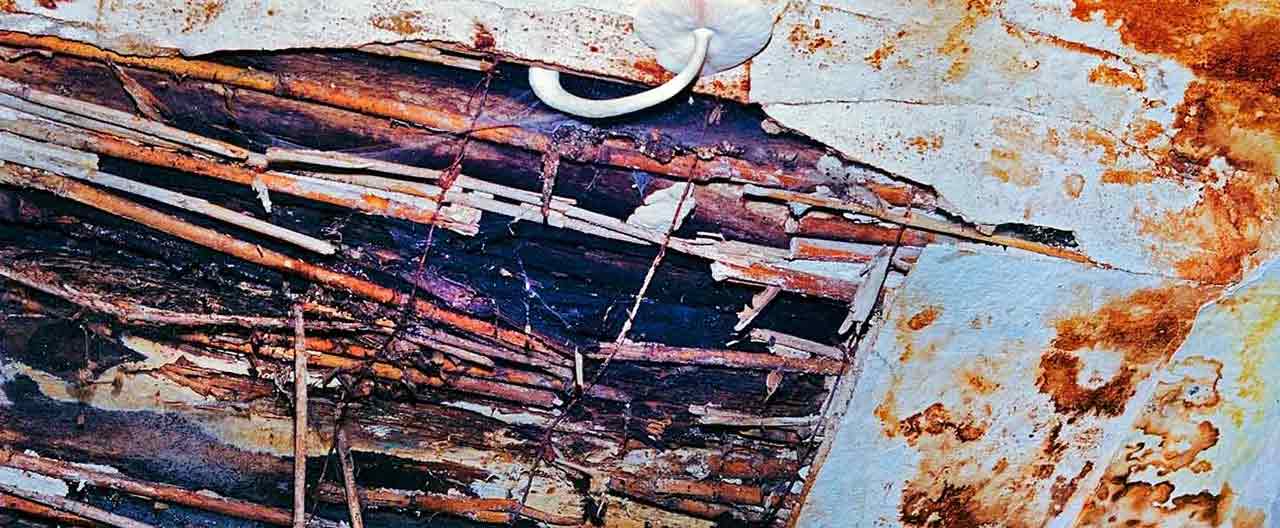
If your business has ever experienced a water damage incident, you know how much havoc it can wreak to your property.
To better understand which areas of your facility may present the most water damage risk, here are the top 10 sources of commercial water damage incidents1 — starting from those that represent the largest losses — and some tips on how to avoid them.
1. Roofs
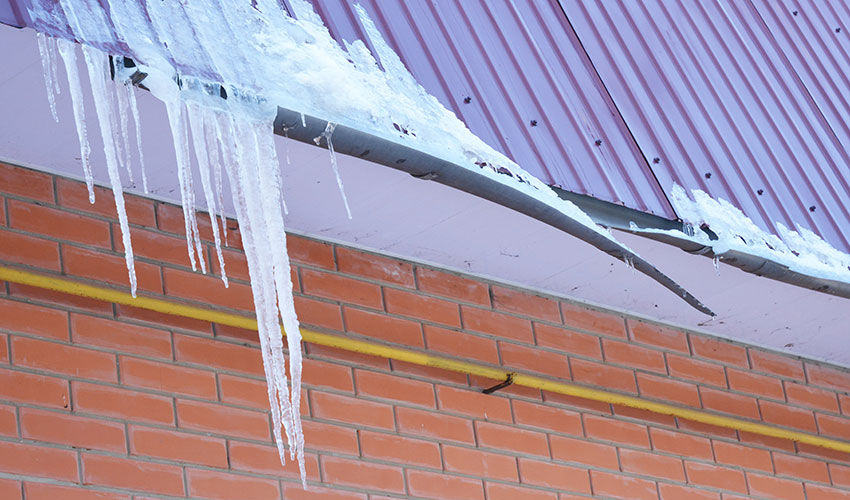
Roof leaks are responsible for an estimated 15% of commercial water damage claims globally, and are the leading cause of ceiling water damage. Prevent roof leaks with regular inspections and maintenance. Promptly repair any sort of surface breach, and for overseas buildings with exposure to cold winter weather, remove snow and ice as quickly as possible, and fix unhampered water drainage immediately.
2. Toilets
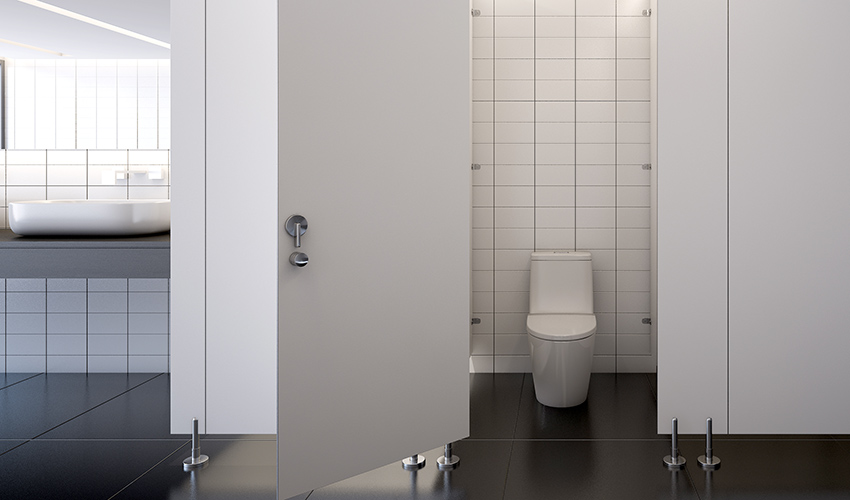
Especially in multistory buildings with stacked plumbing, toilets are a major cause of interior water damage and they make up 15% of losses. Inspect hoses regularly and replace any that are compromised; replace all hoses every three to five years, even if they appear normal.
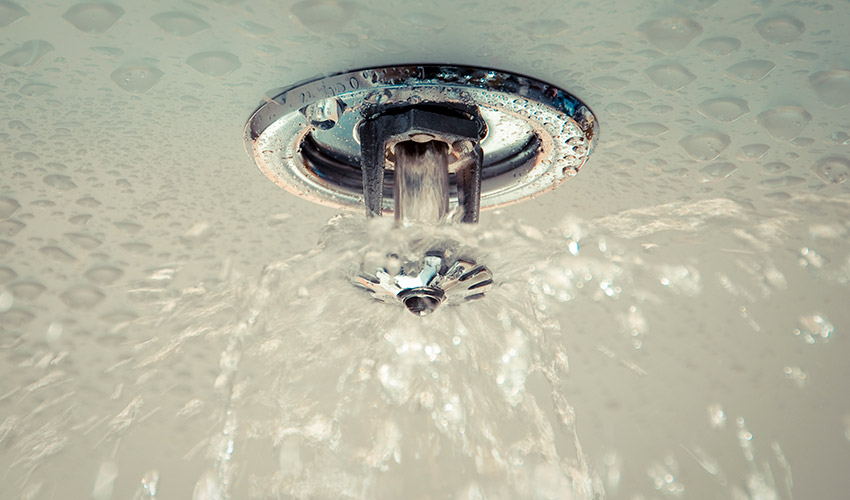
3. Sprinklers
Though critical for protection from fire, sprinkler malfunctions account for 14% of commercial water damage loss. Make sure that pipes and antifreeze/low temperature alert systems are fire code compliant and are frequently inspected, tested, and repaired.
4. Water heaters
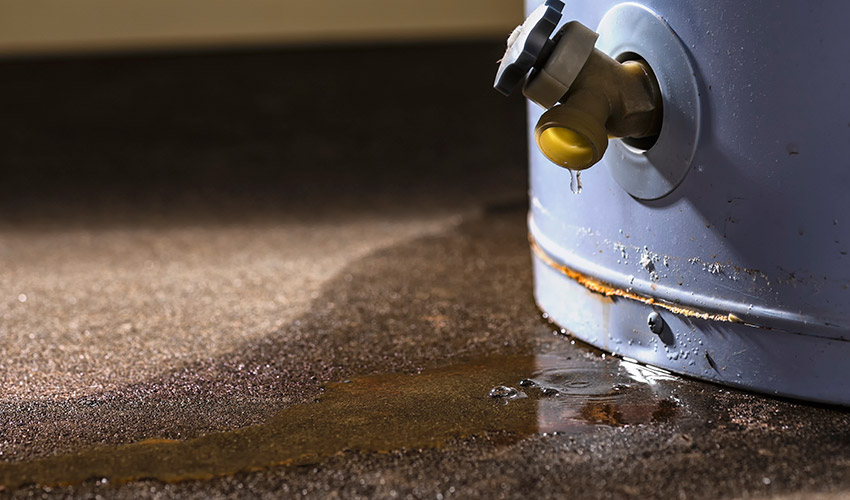
With a high failure rate after 7 – 10 years, water heaters should be replaced before they have a chance to contribute to cause their typical 11% of water damages. Put a drip pan underneath for small leaks and install an automatic shut off valve near the heater.
5. HVAC
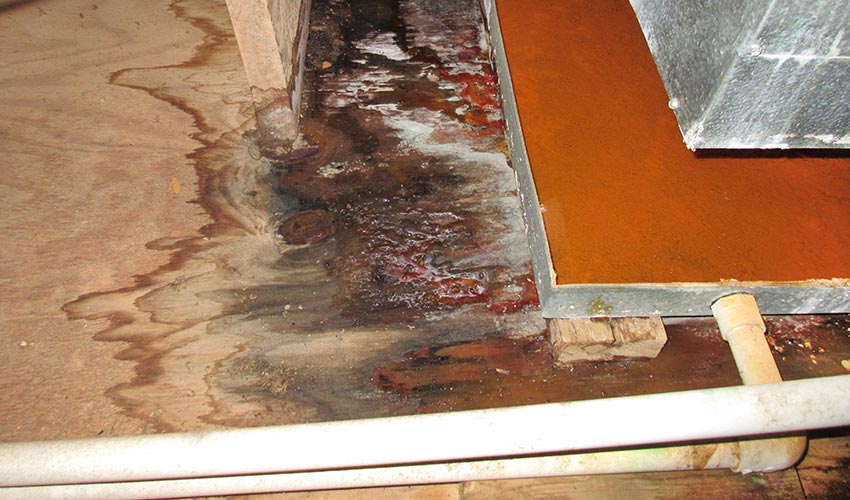
HVAC units cause about 8% of all water damage losses, primarily from leaks due to clogged drains, frozen evaporator coils, and pipes that are not properly connected. Follow manufacturer guidelines for a formal HVAC maintenance program.
6. Vacancy
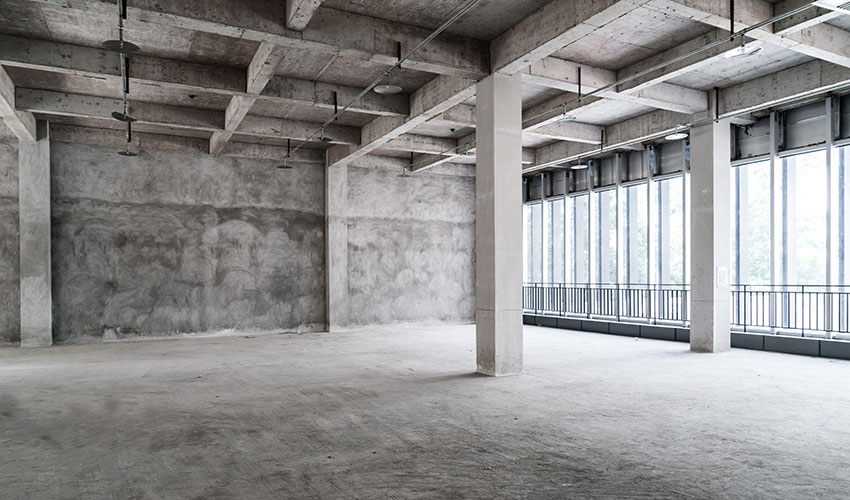
If a building is empty, it’s less likely that water damage risks will be detected early so vacancy water emergencies account for about 8% of commercial water damage losses overall. Take preventative measures such as shutting water where it’s not needed and installing temperature sensors to maintain the proper temperature to protect machinery or pipes.
7. Boiler & machinery
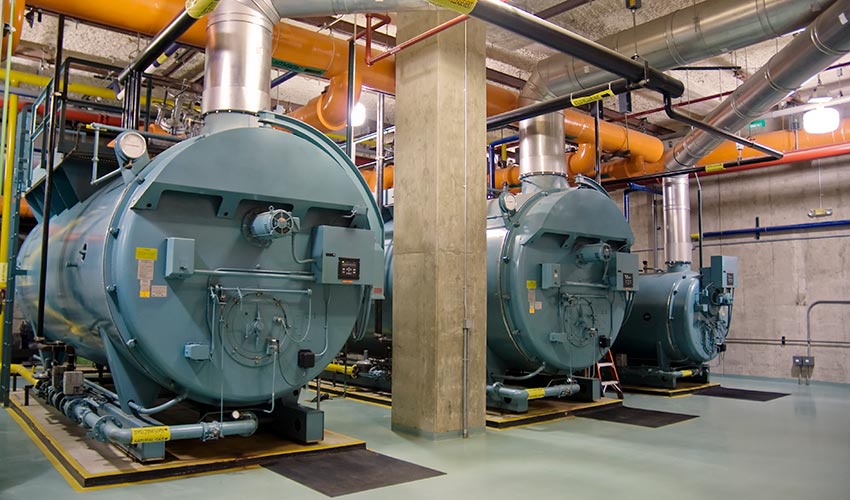
Buildings with multiple boilers account for 7% of water claims. Install water barriers and ensure proper drainage. Create a formal preventive maintenance plan schedule and keep up with inspections from a qualified contractor.
8. Sewer & sewage backup
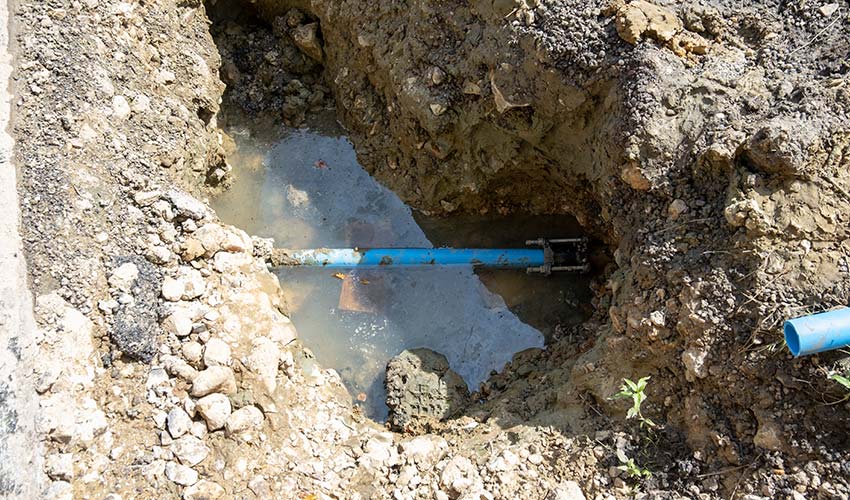
The 5% of claims caused by sewer backups are especially messy and undesirable. Often triggered by events such as excessive rain, backups can be avoided by monitoring, and clearing clog-prone areas such as wastewater lines and drainage systems. It’s also advisable to have emergency shut-off systems and drain check-valves to stop backflow into the building.
9. Water tanks
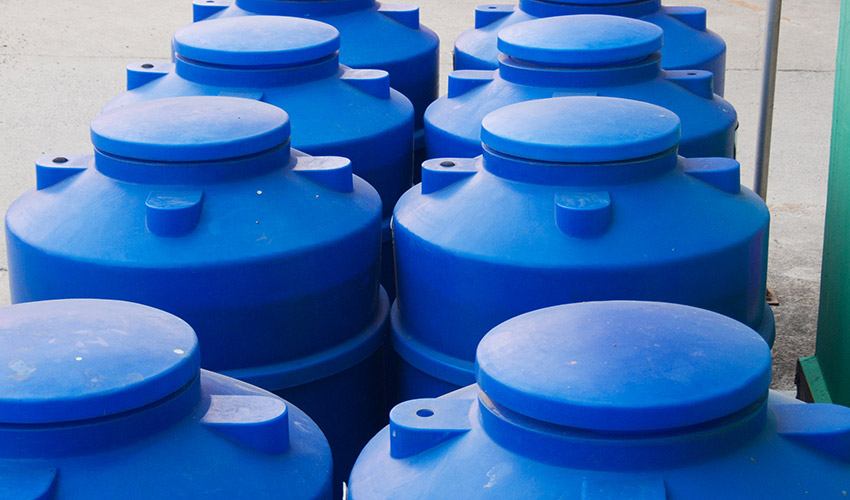
Water tanks are used for both water supply and fire protection systems — and they account for 4% of water damage issues. Adhere to accepted regulations, standards and codes for water tanks and conduct regular visual and internal inspections. An ultrasound will ensure the integrity of a metal tank.
10. Water mains
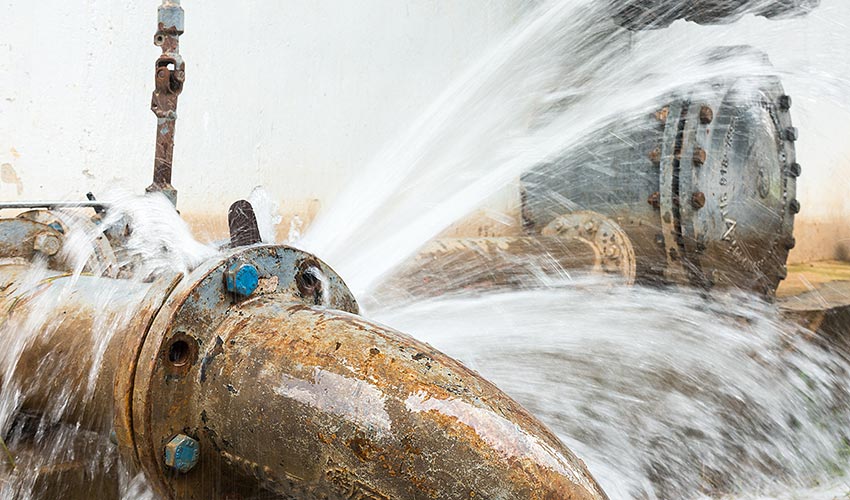
Extreme weather, construction activity, soil erosion, and the age or material of the water main pipe may all contribute to the cause water main breaks. These incidents account for 3% of water damage claims but are generally major. If possible, consider replacing water mains over 60 years old or made of iron, which are more susceptible to breakage.
Technology and water damage risk solutions
Whatever the potential water threat, technological solutions may help mitigate the risk. For many of the damage-prone areas above, water leak detection sensors, flow sensors, and automatic valve shut off systems. These devices can pre-empt major water damage issues and are becoming ever-more convenient to install. Given the potential costs of water damage to commercial property, you might wish to consider installing them to reduce the impact and costs of water damage to your business.
1 Source: Actual Chubb claim statistics
Insights and expertise


No part of this article may be reproduced in any written, electronic, recording, or printed form without written permission of Chubb.
Disclaimer - The content of the above article is not intended to constitute professional advice. Although all content is believed to be accurate, Chubb Insurance Singapore Limited (Chubb) makes no warranty or guarantee about the accuracy, completeness, or adequacy of the content of this article. Users relying on any content do so at their own risk.